How Technology Is Revolut...
The logistics and transportation industry is experiencing...
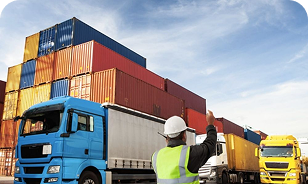
In today's fast-moving business environment, getting a product from a warehouse to a customer's doorstep involves much more than transportation. Behind every successful delivery is a connected logistics ecosystem involving warehousing, inventory management, order processing, transportation, tracking, fulfilment and last-mile delivery.
Customers may only see the final delivery, but businesses need to coordinate multiple processes to ensure that the right product reaches the right customer at the right time.
Understanding how this modern logistics ecosystem works can help businesses improve efficiency, reduce delays and create a better customer experience.
The modern logistics ecosystem is a network of interconnected activities that manages the movement of products from suppliers and warehouses to their final customers.
A typical logistics journey can be represented as:
Supplier → Warehouse → Inventory → Order Processing → Picking & Packing → Transportation → Last-Mile Delivery → Customer
Each stage has an important role. If one part of the process is delayed or poorly managed, it can affect the entire supply chain.
Modern technology has also made these stages increasingly connected. Businesses can use digital platforms, warehouse management systems, GPS tracking and data analytics to gain greater visibility across their operations.
The logistics journey often begins when products arrive at a warehouse.
Goods may arrive from manufacturers, suppliers, ports or distribution centres. The warehouse team needs to receive, inspect and record these products before placing them into storage.
The receiving process can include:
Accurate receiving is important because errors at this stage can create inventory problems later.
Once products are received, they need to be stored in an organised manner.
Warehouse layout and storage systems can have a significant impact on operational efficiency. Products should be positioned in a way that makes them easy to locate and retrieve when orders are received.
Businesses may use:
An organised warehouse helps reduce unnecessary movement and makes inventory management more efficient.
Knowing what is available in the warehouse is essential for fulfilling customer orders.
Inventory management involves monitoring stock quantities, locations and movements. Modern digital systems can provide businesses with real-time or near-real-time visibility of inventory.
Effective inventory management can help businesses:
For growing businesses, effective inventory management becomes increasingly important as the number of products and orders increases.
The next stage begins when a customer places an order.
The order enters the business's order management or eCommerce system and needs to be processed quickly.
Important information may include:
The order is then passed to the warehouse or fulfilment team for processing.
Once an order reaches the warehouse, employees or automated systems need to locate and collect the required products.
This process is known as order picking.
Warehouse teams may use different picking methods depending on the size and nature of the operation.
Common approaches include:
Technology can make this process faster by providing warehouse workers with accurate product locations and picking instructions.
After products are picked, they need to be checked and packed appropriately.
Good packaging protects products during transportation while also creating a positive customer experience.
The packing process can include:
Efficient packing can also reduce unnecessary packaging materials and transportation space.
Once an order is packed, it needs to move from the warehouse to the customer.
Depending on the destination, products may travel through different transportation networks, including:
Transportation planning is an important part of modern logistics because delivery times, fuel costs, vehicle availability and distance can all affect the overall cost of fulfilment.
Technology has transformed the way businesses monitor deliveries.
GPS tracking, mobile applications and digital logistics platforms allow businesses to monitor shipments while they are in transit.
Real-time tracking can help businesses:
For customers, tracking information provides greater transparency and confidence about their delivery.
Last-mile delivery refers to the final stage of transportation between a distribution point and the customer's location.
Although it is the final step, last-mile delivery can be one of the most challenging parts of the logistics process.
Delivery providers may need to deal with:
Efficient last-mile planning can significantly improve customer satisfaction.
Technology connects almost every part of the modern logistics ecosystem.
Businesses increasingly use technologies such as:
AI can support demand forecasting, route planning, inventory optimisation and logistics decision-making.
WMS platforms help businesses manage inventory, storage locations, picking and warehouse operations.
GPS technology provides real-time information about vehicle and shipment locations.
IoT devices and sensors can collect information about shipments, vehicles and warehouse environments.
Cloud-based systems allow different teams and logistics partners to access shared information.
Data analysis can help businesses identify trends, bottlenecks and opportunities for improvement.
Warehousing and transportation should not be treated as completely separate functions.
A delay in transportation can affect warehouse receiving. Similarly, inefficient warehouse operations can delay shipments.
A connected logistics ecosystem coordinates both areas.
For example:
Container Arrival → Warehouse Receiving → Inventory Update → Order Processing → Picking → Packing → Dispatch → Transportation → Customer
When each stage communicates effectively, businesses can create a smoother flow of products.
Supply chain visibility means having access to information about products as they move through different stages of the logistics process.
Without visibility, businesses may struggle to answer important questions:
Digital logistics systems can provide businesses with better answers to these questions.
Greater visibility can lead to faster decision-making and improved customer communication.
Many businesses choose to outsource some or all of their logistics operations to third-party logistics providers.
A 3PL provider may manage services such as:
This approach allows businesses to access professional logistics infrastructure without having to build and manage every part of the supply chain themselves.
A well-connected logistics operation can provide several benefits.
Efficient warehouse and order processing systems can help businesses process orders more quickly.
Digital inventory systems can reduce errors and improve stock visibility.
Better transportation planning can help reduce unnecessary delays.
Customers benefit from accurate delivery information and reliable fulfilment.
Integrated systems can reduce the need for manual processes and disconnected communication.
A flexible logistics ecosystem can help businesses manage increasing order and inventory volumes.
Despite technological improvements, logistics operations still face several challenges.
These can include:
Businesses need to continuously evaluate their logistics processes and adapt to changing market conditions.
The future of logistics is likely to become even more connected and automated.
Artificial intelligence, robotics, autonomous transportation, predictive analytics and IoT technology will continue to influence how products move through supply chains.
Warehouses may become increasingly automated, while transportation networks will use more sophisticated systems to predict demand and optimise routes.
At the same time, customers will continue to expect faster, more transparent and more convenient delivery experiences.
Businesses that successfully combine technology, people, infrastructure and efficient processes will be better positioned to meet these expectations.
The journey from warehouse to customer involves a complex network of processes working together.
From receiving and storing products to inventory management, order fulfilment, transportation and last-mile delivery, every stage contributes to the final customer experience.
Modern technology is making this ecosystem more connected by providing greater visibility, automation and data-driven decision-making.
For businesses, understanding the complete logistics journey is essential for building an efficient and scalable supply chain.
The future of logistics is not simply about moving products faster. It is about creating a connected ecosystem where information, inventory and transportation work together seamlessly—from the warehouse all the way to the customer's doorstep.
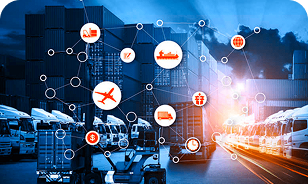
The logistics and transportation industry is experiencing...
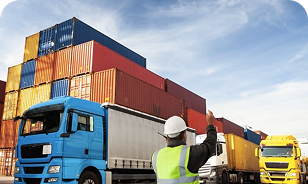
Discover our logistics, warehousing, fulfillment and supply chain solutions designed to support businesses of every size.
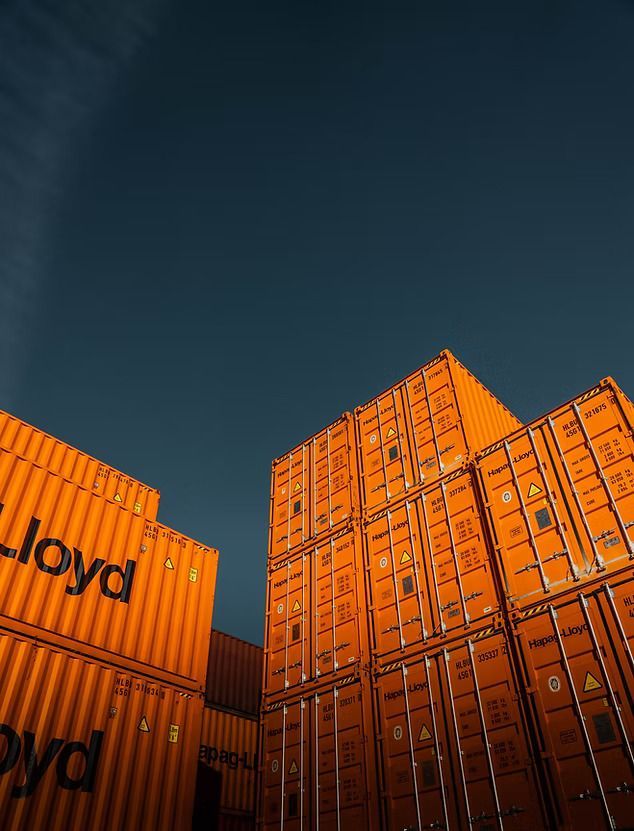

From a single parcel to full truckloads. we ensure your shipments reach their destination - safely and on time.

we get back to you within one business day.

Your goods are protected every step of the way.

Dedicated logistics specialists ready to help
Welcome to WhatsApp Chat and Share. Contact us if you need help.
Oprational Manager All Sales